

-
Bus, Airlines
-
3-Star Hotels & Teahouses
-
5,143m (Pangpema - Kanchenjunga North Base Camp)
-
Kathmandu
-
February, March, April, May, September, October, November
-
Eco-Tour, Hiking
-
2-10
-
English, Spanish, French, Chinese
-
Moderate to Strenuous
-
18
-
1 - 8
Kanchenjunga Base Camp Trek is one of the great Himalayan trails, which
covers the eastern part of Nepal. The term “Kanchenjunga” stands for crystal
clear in Nepali. Kanchenjunga (8586m) is the third highest mountain in the world
and is also popularly known as the “Five Treasures of the Great Snow” i.e. Gold,
Silver, Precious Stones, Grain, and Holy Scriptures. The famous Kanchenjunga
is situated in North-East Nepal and is bordered by Sikkim, India. Since the
mountain partly lies in Nepal and partly in India, the view of Kanchenjunga can
be seen from India, Bhutan, and Tibet.
The trekking route to Kanchenjunga Base Camp passes through the Arun valley
which is considered the most beautiful regions for trekking in Nepal. One of the
main highlights of this trek is Kanchenjunga Conservation area which covers an
area of 2035 square kilometers. The area is home to many flora and fauna as
well as various wildlife including Himalayan black bear, musk deer, snow leopard,
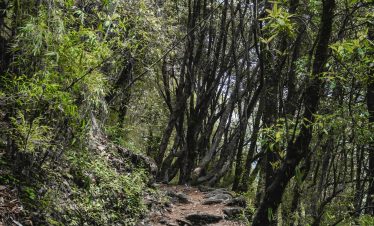
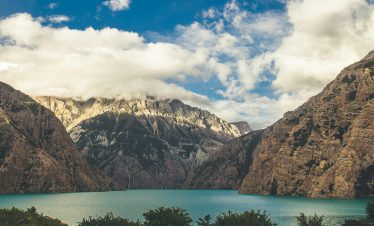
red panda, wild boar and many others. The route to basecamp offers variations
in landscapes from alpine grasslands to sub-tropical forests, low river valley,
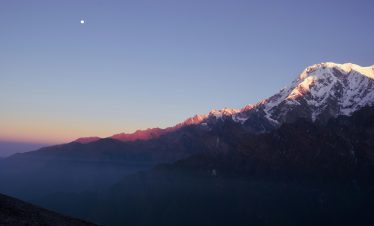
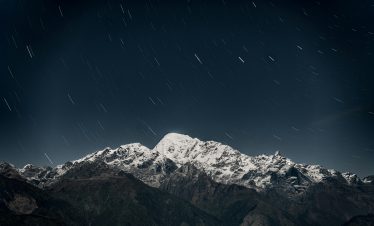
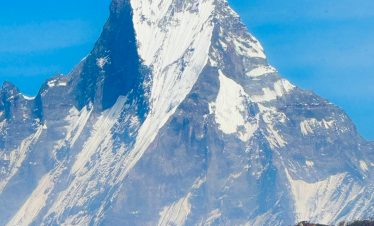
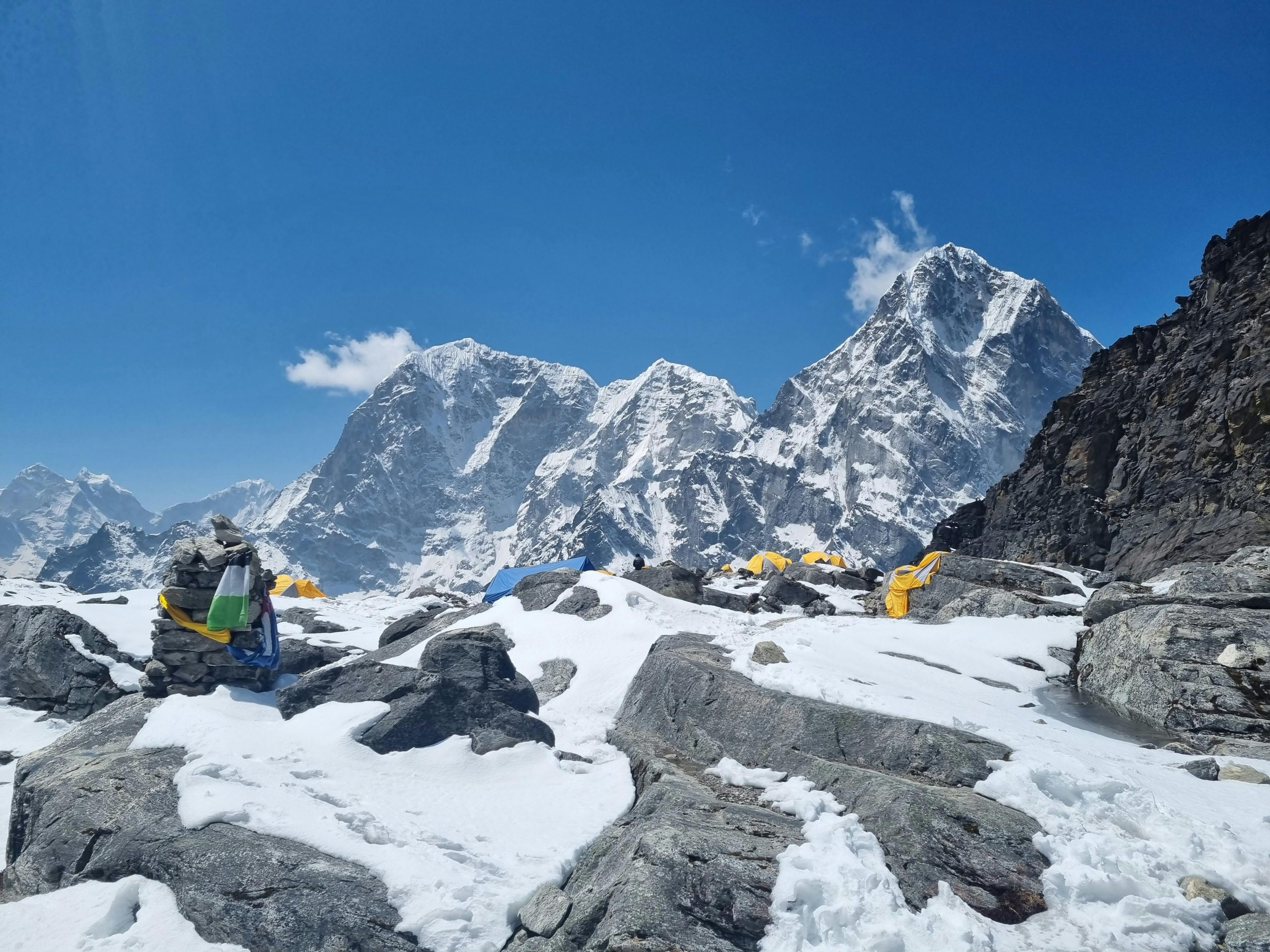
glacial moraine, and rocky scree slopes. Throughout the trekking, trekkers get to
relish the stunning panoramic view of the massive mountain peaks such as
Lhotse (8516m), Everest (8848m), Kanchenjunga (8586m), Makalu (8481m), and
many others. The Kanchenjunga region is inhabited by a mixed community of
Sherpa, Rai, Limbu, and Gurung, which provides an opportunity for trekkers to
understand their culture and lifestyle.
Highlights
- Panoramic views of Kanchenjunga, Jannu, and surrounding peaks
- Explore both North (Pangpema - 5,143m) and South (Oktang - 4,730m) Base Camps
- Rich biodiversity – chance to spot red pandas and snow leopards
- Experience the culture of Limbu, Rai, and Tibetan people
- Cross the Sele La Pass (4,290m) with breathtaking landscapes